
Contrail Avoidance: One of Aviation's Most Underused Climate Levers
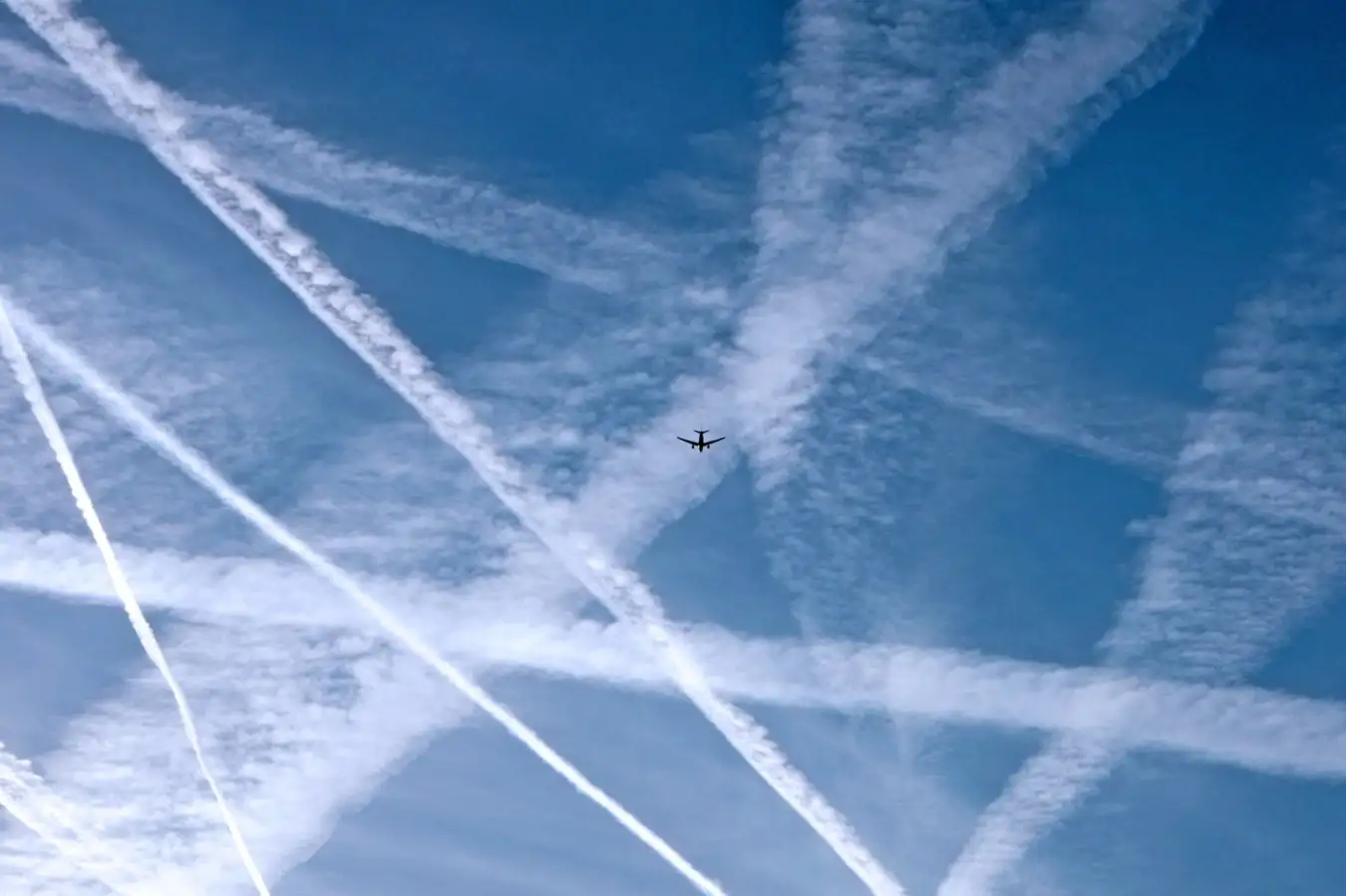
When we talk about reducing aviation's climate impact, the conversation often centres on CO₂ emissions. But there's another significant factor that doesn't get nearly enough attention: contrails.
Contrails are the white streaks planes leave across the sky, which can trap heat in the atmosphere and contribute meaningfully to aviation's overall warming effect. The good news is that avoiding them is increasingly within reach, and the impact of doing so could be substantial.
Transport & Environment recently made a compelling case for a pragmatic, phased approach to scaling up contrail avoidance. Starting with:
-
Avoiding flights through cold, humid layers where persistent contrails form.
-
Prioritizing night and winter flights for avoidance, as they produce the most warming.
-
Using vertical or slight lateral deviations to reduce contrail formation with minimal fuel impact.
-
Planning avoidance early to reduce operational disruption and controller workload.
-
Incentivizing airlines and integrating contrail avoidance into training and operational planning.
-
Modernizing air traffic management for flexible, climate‑optimal flight paths.
This allows policy, technology, and real-world practice to evolve together, making implementation achievable rather than purely theoretical.
At BookBetter, this thinking resonates deeply with our mission. We believe that reducing aviation's climate footprint means going beyond CO₂ and that smarter flight choices, including factoring in contrail-forming conditions, are part of the solution. This is in part why contrail avoidance data already informs the recommendations we make to travellers and event organisers.
Read the full Transport & Environment article here.